Few people know that 80% of all incurable diseases are caused by... parasites and their metabolic products.
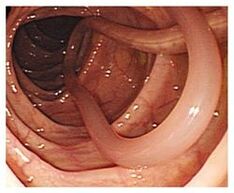
Parasites affect the intestines, liver, lungs, eye tissue and even our brain.At the same time, they are very cunning and often mask their presence with symptoms of various diseases.As a result, a person may be misdiagnosed and the parasites will continue to quietly devour him from the inside.
Today, more than 250 types of parasites are known - from microorganisms to worms several meters long.They can live in different parts of the body for years, undermining the health of the "eating bread" and shortening its life.
Now the reasons for the "incomprehensible" diseases are becoming clear:
- Toxoplasmosis– cause many deformities, congenital diseases in children and mental retardation.
- Trichomonas– cause diseases of the genitourinary system, intestines, oral cavity, blood, blood vessels and cancer.
- Chlamydia– cause infertility, digestive disorders, damage to the pancreas (including diabetes), liver and lead to heart attacks.
- fungi- cause a multitude of different diseases, the formation and development of oncology.
- Giardia– affect the liver and cause many liver diseases.
- Roundworms– cause lung, bile and intestinal diseases.
- Pinworms– abundance of intestinal diseases.
- Fascioliasis– cause allergies, biliary tract dyskinesia, chronic hepatitis.
- Asciolpsidosis- participates in the formation and development of cancer.
The main symptoms of parasitic infestations:
Problem skin
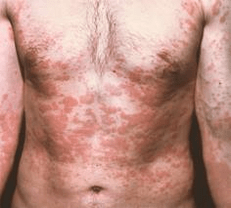 Intestinal parasites can cause hives, rashes, eczema and other allergic skin reactions.Skin ulcers, tumors and wounds, papillomas and dermatitis can result from the presence of protozoan microorganisms. Intestinal parasites can cause hives, rashes, eczema and other allergic skin reactions.Skin ulcers, tumors and wounds, papillomas and dermatitis can result from the presence of protozoan microorganisms. |
Chronic fatigue
 Symptoms of chronic fatigue include weakness, complaints of flu-like symptoms, apathy, depression, loss of concentration and poor memory.These physical, mental and emotional symptoms can be caused by parasites that create anemia, intoxication, lack of nutrients in the body due to poor absorption of proteins, carbohydrates, fats and especially vitamins A and B12. Symptoms of chronic fatigue include weakness, complaints of flu-like symptoms, apathy, depression, loss of concentration and poor memory.These physical, mental and emotional symptoms can be caused by parasites that create anemia, intoxication, lack of nutrients in the body due to poor absorption of proteins, carbohydrates, fats and especially vitamins A and B12. |
anemia
 Some types of intestinal worms attach to the intestinal lining and suck nutrients from the host.Being in the body in large quantities, they can cause quite a lot of blood loss, which leads to iron deficiency (anemia).Anemia is caused by Trichomonas and other macroparasites that feed on blood cells.Trichomonas can feed on semen, which causes impotence.She absorbs them like red blood cells. Some types of intestinal worms attach to the intestinal lining and suck nutrients from the host.Being in the body in large quantities, they can cause quite a lot of blood loss, which leads to iron deficiency (anemia).Anemia is caused by Trichomonas and other macroparasites that feed on blood cells.Trichomonas can feed on semen, which causes impotence.She absorbs them like red blood cells. |
Immune disorders
 Parasites weaken the immune system by reducing the production of immunoglobulin A. Their presence constantly stimulates the system's response and over time can weaken this vital immune mechanism, opening the way for bacterial and viral infections to enter the body.Signs of parasites in the body can also include the following: weight gain, excessive hunger, weight loss, bad taste and breath, asthma, diabetes, epilepsy, acne, migraines, and even the most common causes of death: heart disease and cancer.For example, Professor Hilda Clark in her book "A Cure for All Cancers" claims that many cancers are caused by the parasite Fasciolopsis Buschi."If the patient gets rid of these parasites, then the tumors will also disappear." Parasites weaken the immune system by reducing the production of immunoglobulin A. Their presence constantly stimulates the system's response and over time can weaken this vital immune mechanism, opening the way for bacterial and viral infections to enter the body.Signs of parasites in the body can also include the following: weight gain, excessive hunger, weight loss, bad taste and breath, asthma, diabetes, epilepsy, acne, migraines, and even the most common causes of death: heart disease and cancer.For example, Professor Hilda Clark in her book "A Cure for All Cancers" claims that many cancers are caused by the parasite Fasciolopsis Buschi."If the patient gets rid of these parasites, then the tumors will also disappear." |
Grinding teeth
 Bruxism - abnormal teeth grinding, clenching and grinding often accompanies parasitic infections.These symptoms are especially noticeable in sleeping children.Bruxism may be a nervous system response to a foreign stimulus. Bruxism - abnormal teeth grinding, clenching and grinding often accompanies parasitic infections.These symptoms are especially noticeable in sleeping children.Bruxism may be a nervous system response to a foreign stimulus. |
Granulomas
 Granulomas are tumor formations that envelop destroyed parasite eggs.They most often form on the walls of the colon and rectum, but they can also form in the lungs, liver, abdomen and uterus. Granulomas are tumor formations that envelop destroyed parasite eggs.They most often form on the walls of the colon and rectum, but they can also form in the lungs, liver, abdomen and uterus. |
constipation
 Worms, due to their shape and large size, can mechanically close some channels and lumens of the intestine.A severe worm infection can block the common bile and intestinal ducts, resulting in infrequent and difficult bowel movements. Worms, due to their shape and large size, can mechanically close some channels and lumens of the intestine.A severe worm infection can block the common bile and intestinal ducts, resulting in infrequent and difficult bowel movements. |
Diarrhea (enterocolitis)
 A number of parasites, especially protozoa, produce hormone-like substances that lead to the loss of sodium and chloride, which in turn leads to frequent watery bowel movements.Thus, diarrhea due to a parasitic infection is a function of the parasite, not an attempt by the body to rid itself of an existing infection or poor nutrition. A number of parasites, especially protozoa, produce hormone-like substances that lead to the loss of sodium and chloride, which in turn leads to frequent watery bowel movements.Thus, diarrhea due to a parasitic infection is a function of the parasite, not an attempt by the body to rid itself of an existing infection or poor nutrition. |
Gas and bloating
 A number of parasites live in the upper part of the small intestine, where the inflammation they cause leads to bloating and gas.The problem can be worsened by eating hard-to-digest foods such as beans or raw fruits and vegetables.Constant swelling of the abdominal organs is often a sign of the presence of hidden parasites.These gastrointestinal symptoms can occur intermittently for many months and even years if the parasites are not removed from the body. A number of parasites live in the upper part of the small intestine, where the inflammation they cause leads to bloating and gas.The problem can be worsened by eating hard-to-digest foods such as beans or raw fruits and vegetables.Constant swelling of the abdominal organs is often a sign of the presence of hidden parasites.These gastrointestinal symptoms can occur intermittently for many months and even years if the parasites are not removed from the body. |
Gastrointestinal syndrome
 Parasites can irritate and cause inflammation of the intestinal wall, leading to a range of gastrointestinal symptoms and poor absorption of vital nutrients and especially fats.This poor absorption of nutrients leads to hard stools and excess fat in the stool.Joint and muscle pain.It is known that parasites can move around the human body to establish themselves in the most convenient places for their life, for example in the joint fluid and muscles.When this happens, the person experiences pain that is often thought to be due to arthritis.Joint and muscle pain and inflammation are also the result of tissue damage caused by certain parasites or the body's immune response to their presence. Parasites can irritate and cause inflammation of the intestinal wall, leading to a range of gastrointestinal symptoms and poor absorption of vital nutrients and especially fats.This poor absorption of nutrients leads to hard stools and excess fat in the stool.Joint and muscle pain.It is known that parasites can move around the human body to establish themselves in the most convenient places for their life, for example in the joint fluid and muscles.When this happens, the person experiences pain that is often thought to be due to arthritis.Joint and muscle pain and inflammation are also the result of tissue damage caused by certain parasites or the body's immune response to their presence. |
Allergy
 Parasites can irritate and sometimes even pierce the lining of the intestines, which increases the risk of large undigested molecules entering them.This can activate the body's immune response by producing increased doses of eosinophils, one of the body's defense cell types.Eosinophils can stimulate inflammation of body tissues leading to an allergic reaction.The parasites also cause increased production of immunoglobulin E.8 by the body.Allergies are a frequent consequence of helminthiasis.Helminth infestation is one of the main causes of allergies.This is due to the toxic, allergic properties of the metabolic products of helminths.Worm infestation can cause recurrent urticaria, dermatitis, eczema, allergic rhinitis, bronchitis and bronchial asthma. Parasites can irritate and sometimes even pierce the lining of the intestines, which increases the risk of large undigested molecules entering them.This can activate the body's immune response by producing increased doses of eosinophils, one of the body's defense cell types.Eosinophils can stimulate inflammation of body tissues leading to an allergic reaction.The parasites also cause increased production of immunoglobulin E.8 by the body.Allergies are a frequent consequence of helminthiasis.Helminth infestation is one of the main causes of allergies.This is due to the toxic, allergic properties of the metabolic products of helminths.Worm infestation can cause recurrent urticaria, dermatitis, eczema, allergic rhinitis, bronchitis and bronchial asthma. |
Sleep disorders
 Frequent awakenings in the middle of the night, especially between 2 and 3 am, can also be the result of the body's attempts to rid itself of toxic substances through the liver.Biorhythmically, these hours of the night are controlled by the liver.Sleep disturbances can also be caused by the nocturnal exit of some parasites through the anus, which leads to unpleasant painful sensations and itching.One of the causes of hemorrhoids is the development of parasites (spindles) under the lining of the rectum. Frequent awakenings in the middle of the night, especially between 2 and 3 am, can also be the result of the body's attempts to rid itself of toxic substances through the liver.Biorhythmically, these hours of the night are controlled by the liver.Sleep disturbances can also be caused by the nocturnal exit of some parasites through the anus, which leads to unpleasant painful sensations and itching.One of the causes of hemorrhoids is the development of parasites (spindles) under the lining of the rectum. |
Oncology
| As we already know, various types of oncological diseases are the "handiwork" of all kinds of parasites - from fungi, trichomonads to worms.According to doctors, every person at least once in his life becomes a victim of parasites.They enter the human body through different routes and can exist in different systems and organs - in the digestive tract, in muscle tissue and even in the brain or eyes.Their evolution over time has led to the fact that the parasites have managed to perfectly develop their defense mechanisms - they are difficult to recognize and destroy. |
nervousness
 Metabolic waste and toxic substances from parasites can irritate the central nervous system.Anxiety and nervousness are often the result of systemic parasite infestation.Many people claim that after completing the cleansing process they are much more balanced and tolerant. Metabolic waste and toxic substances from parasites can irritate the central nervous system.Anxiety and nervousness are often the result of systemic parasite infestation.Many people claim that after completing the cleansing process they are much more balanced and tolerant. |
So how can you protect your body from parasites?
- The conditions are incredibly simple - maintaining personal hygiene, thoroughly washing hands with a brush and soap.
- All products must be carefully processed and washed before use.
- If there is a person in the house infected with helminths, a regular change of linen is necessary - bed linen and underwear.
- During the summer season, it is necessary to properly equip the toilet;excrement should be composted and disinfected so as not to contaminate the site with helminth eggs.
- Deworming in pets is also necessary.


